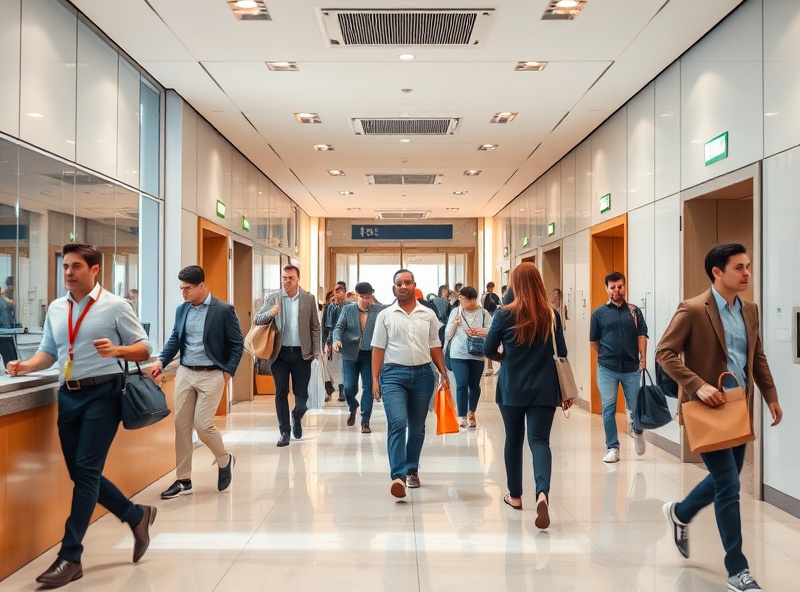
The High-Traffic Challenge
Not all office spaces face the same cleanliness challenges. A reception area with constant client flow presents entirely different cleaning demands than a quiet back office. High-traffic commercial spaces require specialized protocols addressing unique dirt accumulation, wear patterns, and contamination sources.
Understanding and implementing high-traffic cleaning protocols ensures these critical spaces remain pristine despite constant use.
What Defines High-Traffic Spaces
Characteristics of High-Traffic Areas:
- Daily foot traffic exceeding 50+ people
- Frequent client or customer presence
- Multiple entries and exits
- Continuous throughout-day use
- High-touch surfaces receiving constant contact
- Visible wear patterns from traffic routes
Common High-Traffic Zones:
- Reception areas and entryways
- Conference rooms hosting multiple meetings daily
- Break rooms with frequent use
- Restrooms with heavy usage
- Hallways connecting offices
- Elevator lobbies and waiting areas
- Doorways and transition spaces
Unique Challenges in High-Traffic Areas
Accelerated Dirt Accumulation
High-traffic spaces accumulate dirt at much faster rates than regular offices:
Outdoor Contamination: More feet mean more outdoor dirt tracked in
- Soil, sand, and debris from exterior
- Seasonal dirt (salt in winter, pollen in spring)
- Weather-related moisture and staining
- Repeated floor soiling requiring frequent attention
Biological Contamination: More people means more pathogens
- Respiratory droplets and cold/flu viruses
- Bacteria from hands and contact surfaces
- Cross-contamination between clients/staff
- Disease transmission acceleration
Visible Wear and Staining: Traffic patterns create visible damage
- Carpet showing traffic routes and color fading
- Floor staining from repeated footfall
- Walls showing hand marks and damage
- Accelerated flooring deterioration
Surface Wear and Damage
Flooring Under Stress:
- Carpet crushing and matting in traffic lanes
- Hardwood or tile showing scuff marks and damage
- Accelerated protective coating degradation
- Visible dirty traffic patterns within hours of cleaning
Wall and Door Damage:
- Handprints and marks from repeated touching
- Scuffs from equipment, carts, and foot traffic
- Door frame damage from frequent opening/closing
- Baseboards showing visible soiling
Furniture and Fixtures Wear:
- Chair casters and feet creating floor marks
- Furniture corner damage from movement
- Light switch wear from frequent use
- Door handle and fixture degradation
Specialized High-Traffic Cleaning Protocols
Increased Frequency Requirements
More Than Standard Cleaning: High-traffic areas need:
Multi-Point Daily Cleaning:
- Morning pre-opening sweep and spot-clean
- Midday touch-up during peak usage
- End-of-day comprehensive clean
- Emergency spot-cleaning as needed throughout day
Versus Regular Offices:
- Standard: One daily cleaning (morning or evening)
- High-traffic: Multiple cleaning touches throughout day
- Reception area: May require cleaning every 2-4 hours
Realistic Example:
- Office size: 3,000 sq ft
- Traffic: 200+ daily visitors
- Recommended frequency:
- 6 AM: Opening deep clean
- 12 PM: Midday spot clean (15-20 minutes)
- 5 PM: Evening comprehensive clean
High-Touch Surface Priority
Surfaces Requiring Most Attention:
- Door handles and push plates (highest contamination)
- Light switches and panel buttons
- Elevator buttons and railings
- Reception desk surfaces and check-in areas
- Bathroom fixtures and dispensers
- Handrails and guardrails
- Conference table surfaces
Hourly Sanitization of High-Touch Areas:
- High-traffic facilities often require multiple daily disinfection
- Professional cleaners use hospital-grade disinfectants
- Protocols specifically address pathogen elimination
- Documentation of cleaning times and methods
Traffic Route Management
Identifying Problem Areas:
- Carpet shows distinct paths from door to common areas
- Flooring appears dirtier along hallways than side areas
- Entry points show concentrated soiling
- Transition zones (parking to office) show heavy wear
Specialized Protocols:
- More frequent carpet cleaning in traffic lanes
- Extra floor treatment in high-traffic routes
- Preventive approaches (entry mats, traffic management)
- Strategic furniture placement to distribute traffic
Deep Cleaning More Frequently
Beyond Daily Cleaning:
- Weekly: Detailed attention to traffic areas, carpet shampooing in high lanes
- Bi-weekly: Baseboard and lower wall cleaning in high-traffic zones
- Monthly: Deep floor treatment, protective coating refresh, detailed corner/edge cleaning
- Quarterly: Comprehensive deep cleaning of all high-traffic areas
Practical High-Traffic Cleaning Strategies
Entry Area Excellence
The Most Critical Space: Entry areas create first impressions and accumulate maximum dirt:
Optimal Entry Cleaning Protocol:
- Entrance vestibule vacuuming every 2 hours during business
- Entrance floor cleaning with appropriate floor treatment every 4 hours
- Entry rug cleaning or replacement daily
- Glass door cleaning multiple times daily
- Entry mat maintenance and cleaning
Result: Client perception of professionalism from the moment they enter
Restroom Frequency Requirements
High-Use Restroom Challenge: Busy restrooms face unique demands
- Toilet cleaning every 2-3 hours or after visible use
- Floor cleaning and spot treatment hourly
- Surface sanitizing throughout day
- Soap and towel supply constantly maintained
- Odor control and ventilation management
Why Restroom Quality Matters: Clients judge overall cleanliness heavily on restroom conditions—disproportionate impact on professional perception
Traffic Zone Maintenance Between Cleanings
Preventing Buildup:
- Entry mats capturing initial dirt (replaced daily)
- Trash receptacles preventing litter accumulation
- Spot-cleaning addressing immediate spills
- Quick sweeping of main traffic paths hourly
- Odor neutralization throughout day
Carpet Care in Heavy Traffic
Carpet Under Extreme Stress:
- Professional traffic lane vacuuming daily (multiple times if needed)
- Weekly or bi-weekly carpet shampooing in high-traffic areas
- Monthly deep traffic zone extraction
- Quarterly or semi-annual complete carpet cleaning
- Protective coating applications
Cost vs. Value: More frequent carpet cleaning extends life significantly, preventing premature replacement
Staffing and Equipment for High-Traffic Cleaning
Staffing Needs
More Frequent = More Staff:
- Single daily cleaner insufficient for high-traffic offices
- Multiple team members for throughout-day maintenance
- Dedicated personnel for restroom and entry cleaning
- Supervisory oversight ensuring protocol adherence
Staff Training Requirements:
- Specialized training for high-traffic protocols
- Protocol adherence and consistency
- Quality control knowledge
- Equipment operation proficiency
Specialized Equipment
Professional-Grade Tools:
- Commercial-strength vacuums with HEPA filtration
- Truck-mount carpet extraction systems
- High-powered floor buffers and polishers
- Hospital-grade disinfection equipment
- Microfiber technology for efficient wiping
Versus Standard Equipment: Professional high-traffic cleaning requires equipment caliber beyond typical office budgets
Preventing High-Traffic Cleaning Damage
Protective Measures Reducing Cleaning Needs
Traffic Management:
- Entry mats and debris capture
- Traffic flow design reducing dirt travel
- Strategic furniture placement spreading traffic
- Designated traffic paths clear of obstacles
Facility Improvements:
- High-quality, appropriate flooring for traffic
- Protective coatings on vulnerable surfaces
- Durable furniture and fixtures rated for high use
- Regular maintenance and repair preventing deterioration
Operational Controls:
- Regular trash removal preventing litter
- Spill protocol ensuring quick response
- Dirt management at traffic sources
- Preventive maintenance reducing visible damage
High-Traffic Cleaning Success Metrics
Track These Indicators:
Visual Standards:
- Flooring cleanliness throughout day (not just post-cleaning)
- Entry area appearance remaining pristine
- Traffic lane carpet color consistency
- Wall and fixture marks minimized
- Restroom conditions excellent throughout day
Contamination Reduction:
- Pathogen transmission reduction (fewer illnesses)
- Allergen management (fewer respiratory issues)
- Cross-contamination prevention
- Health code compliance
Client and Staff Satisfaction:
- No client complaints about cleanliness
- Staff satisfaction with workspace
- Visitor feedback reflecting professional standards
- Reputation protected through consistent quality
Budgeting for High-Traffic Cleaning
Higher Frequency = Higher Cost: Realistic expectations:
Example High-Traffic Office Cleaning:
- Space: 5,000 sq ft with heavy traffic
- Standard cleaning: $1,800/month (daily evening clean)
- High-traffic protocol: $3,200/month (multiple daily cleanings, specialized care)
- Monthly premium: $1,400 for high-traffic service
Perspective: Additional $1,400 monthly prevents:
- Professional image damage
- Client perception issues
- Health concerns
- Accelerated facility deterioration costing far more to repair
ROI Calculation: Cost of one lost client or job opportunity often exceeds entire annual high-traffic cleaning premium
Implementing High-Traffic Protocols
Step 1: Assess Your Actual Traffic
- Count daily foot traffic
- Identify peak times
- Note visible wear patterns
- Understand traffic routes
Step 2: Define Current Standards
- What cleanliness level are you achieving?
- Where are biggest gaps?
- What’s noticeable to clients?
- Where is deterioration occurring?
Step 3: Design High-Traffic Protocol
- Determine frequency requirements
- Identify priority areas
- Specify equipment and staffing needs
- Establish quality metrics
Step 4: Implement Gradually
- Start with entry and high-visibility areas
- Add restroom frequency
- Expand to traffic zone management
- Implement complete protocol
Step 5: Monitor and Adjust
- Track cleanliness metrics
- Gather client and staff feedback
- Adjust frequency as needed
- Evaluate cost-effectiveness
The Standard for Excellence
High-traffic commercial spaces demand excellence. Clients and staff notice when these critical areas are well-maintained—and they definitely notice when they’re not.
Professional high-traffic cleaning protocols ensure your busiest, most visible spaces maintain pristine standards despite intense use. This investment directly supports professional reputation, client confidence, and employee satisfaction.
Ready to implement professional high-traffic cleaning protocols? Apex Cleaning Services specializes in commercial high-traffic spaces with protocols specifically designed for busy offices, reception areas, and client-facing spaces. Contact us to discuss a customized high-traffic cleaning plan that maintains excellence in your busiest areas.