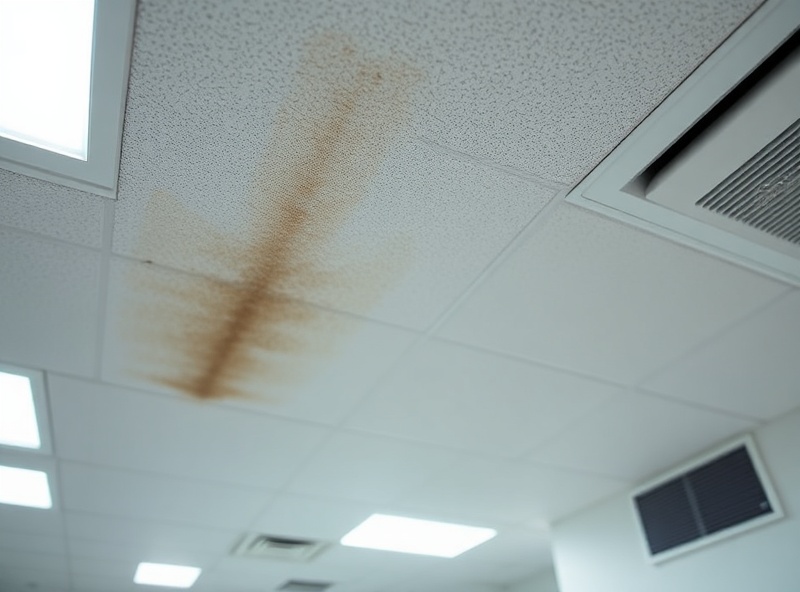
The Hidden Dirt Problem
Your office looks acceptably clean. The visible surfaces shine. The floors gleam. Restrooms appear sanitized. Yet serious cleanliness issues hide in spaces that don’t receive regular attention—places clients don’t see but that impact health, hygiene, and professional standards.
These overlooked areas harbor dust, allergens, pathogens, and pest attractants that undermine your office’s actual cleanliness level. Understanding these commonly missed areas helps you ensure truly comprehensive cleaning.
Why Areas Get Missed
Before diving into specific overlooked zones, understand why professional cleaners might miss these spaces:
Time Constraints: Limited cleaning time focuses on visible, high-traffic areas. Less obvious spaces get deprioritized.
Lack of Specification: If your cleaning contract doesn’t explicitly mention these areas, they may not be included.
Workflow Efficiency: Quick, efficient cleaning routes may skip areas that require extra time or special equipment.
Access Challenges: Some areas require moving items or using special equipment; easy-to-skip spaces often go ignored.
Assumption Errors: Cleaners may assume someone else handles certain areas or that areas don’t need frequent attention.
#1: Above Eye Level (Ceiling Areas, Vents, and Light Fixtures)
Why It’s Overlooked
Ceiling areas and overhead spaces don’t receive obvious daily dirty exposure like floors. Cleaners naturally focus on what they encounter at eye level.
What Accumulates There
Dust and Debris: Dust settles on ceilings, light fixtures, and above cabinets, accumulating significantly over weeks.
HVAC Contamination: Air vents accumulate dust, pollen, and pathogens. Dirty HVAC systems recirculate contaminants throughout your office.
Mold and Moisture: Ceiling areas near moisture sources (restrooms, kitchens) develop mold that spreads invisibly through your facility.
Insect Droppings: Pests attracted to dusty areas leave traces that accumulate above normal sight lines.
The Impact
- Poor indoor air quality as dust and pathogens circulate through ventilation
- Visible dust falling onto surfaces and desks
- Mold spores affecting employee respiratory health
- Pest attraction and infestation risk
- Visual clutter visible to observant clients
Proper Attention Required
- Monthly light fixture cleaning
- Quarterly ceiling dust removal and wiping
- Regular HVAC filter replacement and vent cleaning
- Moisture monitoring in high-risk areas
- Professional deep cleaning twice annually
#2: Behind and Under Furniture
Why It’s Overlooked
Furniture blocking floor access makes these areas labor-intensive to clean. Standard cleaning routes avoid moving furniture, leaving these spaces untouched for months.
What Accumulates There
Dust Bunnies and Debris: Uncleaned areas under furniture accumulate massive dust collections—literally feet of dust build-up in ignored spaces.
Allergens: Dust and pet dander concentrate in these protected zones.
Pest Harbors: Under furniture provides ideal shelter for insects and rodents.
Spill Residue: Liquid spills under furniture dry and become hard to remove, creating sticky, soiled areas.
Hair and Biological Material: Employee hair, skin cells, and biological debris accumulate.
The Impact
- Allergen concentration affecting employee respiratory health
- Pest infestation risk and attraction
- Hidden contamination sources
- Difficult removal when finally addressed
- Professional image damage if visible during furniture movement
Proper Attention Required
- Monthly under-furniture vacuuming (at minimum)
- Quarterly furniture movement and deep cleaning behind
- Semi-annual deep floor treatment under all furniture
- Pest monitoring in these vulnerable areas
#3: Baseboards and Wall Trim
Why It’s Overlooked
Baseboards receive minimal daily contact. Quick cleaning passes focus on flooring, overlooking the perimeter.
What Accumulates There
Dust and Grime: Baseboards accumulate massive dust layers, especially near air vents and high-traffic areas.
Sticky Residue: Spills migrating toward baseboards create sticky, dark accumulation.
Mold and Mildew: Moisture-prone baseboards develop fungal growth.
Insect and Rodent Droppings: Pests travel along baseboards, leaving evidence.
Fingerprints and Marks: High-contact baseboards (near walkways) show significant marks and smudges.
The Impact
- Visual clutter obvious to observant clients
- Pest attraction and harboring
- Mold and moisture issues
- Health and hygiene concerns
- Professional image damage, especially in client-facing areas
Proper Attention Required
- Monthly baseboard dusting and spot-cleaning
- Quarterly detailed baseboard wiping and sanitization
- Semi-annual deep baseboard cleaning
- Immediate attention to any moisture or mold signs
#4: Kitchen and Break Room Appliances and Hidden Surfaces
Why It’s Overlooked
Kitchen surfaces beyond basic counter and table cleaning are often missed. Appliance interiors, refrigerator coils, and microwave interiors receive minimal attention.
What Accumulates There
Refrigerator Coils: Dust and debris accumulate on refrigerator coils, reducing efficiency and creating pest attraction.
Microwave Interior: Food splatter builds up inside microwaves, creating bacteria havens and odor sources.
Under Appliances: Spills migrate under refrigerators, stoves, and other appliances, creating sticky, contaminated areas.
Behind Appliances: Dust and pest activity accumulate in inaccessible spaces behind equipment.
Trash and Recycling Areas: The area around trash bins accumulates spills, sticky residue, and pest attraction.
Inside Cabinet Doors: Interior surfaces of refrigerators and cabinet doors accumulate grime and spills.
The Impact
- Food safety concerns and contamination risk
- Pest attraction and infestation
- Odor and hygiene problems
- Appliance efficiency loss and expensive repairs
- Employee health risks
- Noticeable unpleasant smells
Proper Attention Required
- Weekly microwave interior cleaning
- Monthly refrigerator interior and coil cleaning
- Monthly under-appliance attention
- Weekly trash and recycling area spot-cleaning
- Quarterly behind-appliance deep cleaning
- Weekly kitchen surface deep sanitization
#5: Window Sills, Blinds, and Door Frames
Why It’s Overlooked
Vertical surfaces beyond casual eye-level attention accumulate dust without obvious visibility until significant buildup occurs.
What Accumulates There
Window Sill Dust and Debris: Exterior dust enters through window seals, accumulating on sills with minimal removal.
Blind Dust: Dust particles accumulate densely on blind slats, especially on the upper surfaces.
Door Frame Grime: Door frames—especially around top edges—accumulate dust and cobwebs.
Moisture and Mold: Window sills and frames prone to moisture develop mold and mildew.
Insect Debris: Dead insects accumulate on window sills and in blind mechanisms.
The Impact
- Visible dust, especially at eye level when clients are seated
- Allergen accumulation affecting respiratory health
- Mold and moisture problems spreading
- Pest attraction and visible insect evidence
- Visual clutter noticeable in bright window areas
Proper Attention Required
- Monthly window sill and frame wiping
- Quarterly blind cleaning and detailed dusting
- Monthly door frame and threshold attention
- Semi-annual window deep cleaning (interior and exterior)
- Immediate moisture and mold attention
How to Ensure Comprehensive Cleaning
1. Document Overlooked Areas in Your Contract
Specify these often-missed areas in your cleaning service agreement:
- Above eye level (ceilings, light fixtures)
- Behind and under furniture
- Baseboards and trim
- Kitchen appliance details
- Windows, blinds, and frames
Clear specification ensures these areas receive contractual attention.
2. Schedule Specific Tasks
Establish regular deep cleaning for these areas:
- Weekly: Trash areas, appliance surfaces, baseboards touch-ups
- Monthly: Behind furniture, window sills, light fixture dusting
- Quarterly: Ceiling attention, refrigerator coil cleaning, deep appliance service
- Semi-annually: Comprehensive ceiling cleaning, behind-furniture moving and cleaning
3. Communicate Priorities
Discuss with your cleaning service:
- Which overlooked areas matter most to your business
- Frequency preferences for specific areas
- Special attention needed in particular zones
- Your expectations for thoroughness
4. Regular Inspections
Periodically inspect these overlooked areas:
- Move furniture and check underneath
- Look up at ceiling and light fixtures
- Examine window sills and blind tops
- Spot-check baseboards and corners
- Open cabinet doors and check interiors
5. Address Issues Immediately
If you notice accumulation in these areas:
- Contact your cleaning service promptly
- Discuss adding these areas to regular service
- Request special attention to problem zones
- Adjust service if needs aren’t being met
Professional vs. DIY Attention to Detail
Many business owners assume they can overlook detailed attention—focusing on obvious areas themselves. This approach fails because:
Consistency Requires System: Regular attention to overlooked areas requires systematic approach, not occasional effort.
Equipment and Expertise: Some areas (HVAC, behind appliances, high ceilings) require specialized equipment or expertise.
Time Investment: Comprehensive attention to these details requires significant time investment, diverting focus from core business.
Professional Standards: Professional cleaning services maintain standards and documentation; DIY attention remains inconsistent.
The Comprehensive Cleanliness Standard
True office cleanliness extends beyond visible surfaces to these often-overlooked areas. A truly clean office:
✓ Has dust-free ceiling areas and light fixtures ✓ Maintains clean spaces behind and under all furniture ✓ Features pristine baseboards and trim ✓ Includes detailed kitchen and appliance cleanliness ✓ Displays spotless windows, blinds, and door frames ✓ Demonstrates attention to detail throughout
This comprehensive standard reflects professionalism and supports health, hygiene, and positive client impressions.
Making the Difference
The difference between “acceptably clean” and “truly professional” often comes down to attention to these overlooked details. While clients may not consciously notice the absence of visible dust on ceiling fixtures, they viscerally sense the professional quality of an office where every detail—visible and hidden—receives attention.
Comprehensive cleanliness communicates excellence, professionalism, and commitment to quality standards.
Ready to ensure truly comprehensive office cleanliness? Apex Cleaning Services specializes in attention to detail across all office areas, including the spaces that make the difference between good and exceptional cleanliness. Contact us to discuss how we ensure every detail—visible and hidden—receives the professional attention your office deserves.